The Quest for Team USA Center Field: Understanding Search Intent
When your fingers hover over the keyboard and you type "team usa center field" into a search bar, your intention is remarkably clear. You're likely seeking concrete, sports-specific data: the name of the athlete currently manning that pivotal defensive position, historical figures who have excelled there, or perhaps news related to Team USA's baseball or softball rosters for upcoming international tournaments like the Olympics or the World Baseball Classic. Users expect stats, player profiles, game analyses, and official team announcements.
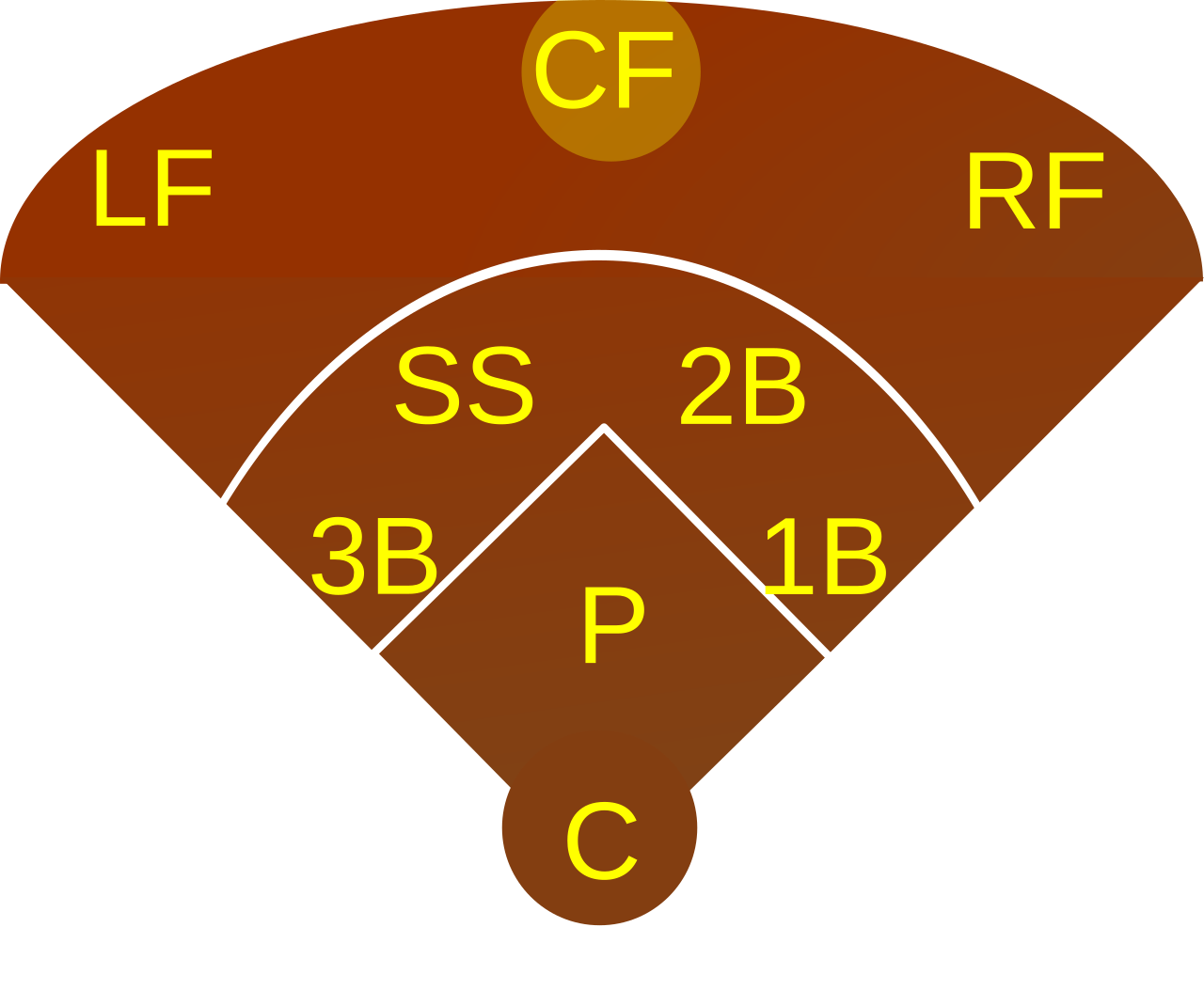
This search query immediately signals a deep interest in American competitive athletics, particularly baseball. The center field position is iconic, demanding speed, agility, and keen spatial awareness – often reserved for a team's most athletic outfielders. Naturally, anyone searching for this term expects to land on content from authoritative sports news outlets, official governing bodies (like USA Baseball or the US Olympic & Paralympic Committee), or reputable sports encyclopedias.
The digital landscape is vast, however, and navigating it requires a keen understanding of how information is organized and presented. While the intent behind searching for "team usa center field" is straightforward, the journey to relevant data isn't always a direct line. Sometimes, the most unexpected corners of the internet can appear in initial searches, leading to a profound lesson in the necessity of contextual relevance.
Navigating Irrelevant Digital Landscapes: When K-Pop and Collaboration Software Intersect (or Don't)
Imagine the surprise when, instead of finding baseball heroes, your search results point you towards entirely unrelated digital ecosystems. This scenario highlights a crucial disconnect between search intent and content context. Let's consider some examples where the concept of "team usa center field" finds no footing, offering a valuable case study in information disambiguation:
- K-Pop Fandom and Profiles: One might encounter sources like "& TEAM | & TEAM Wiki | Fandom" or "& TEAM Members Profile (Updated!) - Kpop Profiles." These websites are dedicated entirely to the K-pop group &TEAM. They meticulously detail member biographies, discographies, fan events, and group achievements. While they discuss "teams" and "members," the context is unequivocally about music, entertainment, and fan culture. There is simply no intersection with competitive sports, let alone the specific position of team usa center field in baseball. The "team" here refers to a musical ensemble, not an athletic squad representing the United States.
- Enterprise Communication Platforms: Another unexpected encounter might be with sources like "Microsoft Teams - App Store." This refers to a widely used communication and collaboration software developed by Microsoft. Its content revolves around features for online meetings, chat, file sharing, and project management within a professional or educational setting. The "team" in Microsoft Teams refers to a group of colleagues working together, utilizing digital tools to enhance productivity. Any mention of "field" would likely pertain to data fields, input forms, or areas of expertise within a business context, not an athletic playing surface. Therefore, the connection to team usa center field is nonexistent.
These examples, though hypothetical in their specific search appearance, serve as perfect illustrations of why context is paramount. The mere presence of keywords like "team" in disparate subjects does not equate to relevant information. Understanding the foundational purpose and content of a website is the first step in discerning its utility for any given search query. For a deeper dive into these irrelevant connections, explore our related article: Kpop, Fandom, Microsoft Teams: Not Your 'Team USA Center Field' Source.
The Disconnect: Why Contextual Gaps Matter for SEO and Users
From an SEO perspective, the goal is to provide content that directly answers a user's query. If a search for "team usa center field" leads to a K-pop profile or a software advertisement, it signifies a failure in matching intent with content. For users, it's frustrating and wastes time. For content creators and SEO professionals, it's a stark reminder that even broadly relevant keywords can be dangerously misleading without the right contextual framework.
Search engines continuously strive to understand nuanced intent, but the sheer volume of information online means that perfect disambiguation is an ongoing challenge. This is precisely why content producers must ensure their pages are not only keyword-rich but also contextually accurate and authoritative for their specific niche.
The Crucial Role of Context in Data Retrieval
The scenarios above underscore a fundamental truth in digital information: context is king. Data, keywords, and phrases gain their true meaning only when placed within their appropriate situational, thematic, or domain-specific framework. Without this framework, even seemingly relevant terms can lead to an "empty data" experience, where information exists but is utterly useless for the user's specific need.
Consider the word "bat." In a baseball context, it's equipment. In an animal context, it's a mammal. In an action context, it's to strike. Without the surrounding words (e.g., "baseball bat," "flying bat," "bat an eyelid"), its meaning is ambiguous. Similarly, "team" and "field" are generic terms that become highly specific when paired with "USA" and the implied sport of baseball. The lack of sports-related context in the K-pop and software examples renders any data they might contain irrelevant to someone searching for team usa center field.
The Challenge of Disambiguation in Search Algorithms
Search engines employ sophisticated algorithms to disambiguate queries, trying to infer user intent even from short, broad phrases. They analyze query patterns, user behavior, and the vast indexed content of the web. However, when highly specific queries like "team usa center field" meet wildly disparate content, it highlights the ongoing battle against irrelevant matches.
For users, this means learning to be precise with queries and understanding that the initial results might require further filtering or refinement. For content creators, it emphasizes the importance of:
- Niche Authority: Building websites that are clearly focused on a specific subject, making their contextual relevance undeniable.
- Semantic SEO: Moving beyond mere keyword matching to understanding the underlying meaning and relationships between concepts.
- Structured Data: Using schema markup to explicitly tell search engines what a page is about, leaving less room for misinterpretation.
This situation also provides valuable insight into the broader challenges of finding pertinent information online when sources are either too generic or entirely misaligned. For further discussion on this topic, refer to Finding Team USA Center Field: Analyzing Empty Web Contexts.
Strategies for Finding Genuine Team USA Center Field Information
Since the examples above firmly establish what isn't a source for team usa center field information, let's pivot to what is. When you're genuinely seeking data on this topic, here's how to ensure you land on accurate, relevant, and valuable content:
-
Prioritize Official Sports Websites:
- USA Baseball: This is the national governing body for baseball in the United States and the definitive source for Team USA rosters, news, and events across all age groups and international competitions.
- US Olympic & Paralympic Committee (TeamUSA.org): For Olympic-specific rosters and news, this official site is invaluable, especially when baseball/softball are included in the Games.
- Major League Baseball (MLB.com): While not directly Team USA, many Team USA players come from MLB ranks. News sections often cover international play.
- Consult Reputable Sports News Outlets: Major sports journalism platforms (ESPN, CBS Sports, MLB Network, etc.) provide in-depth analysis, player profiles, and breaking news concerning Team USA rosters and performance. Look for articles specifically detailing team selections and game coverage.
-
Use Specific Search Terms: Instead of just "team usa center field," try more refined queries to narrow results:
- "Team USA baseball roster center field Olympics"
- "Who is Team USA's center fielder World Baseball Classic"
- "Best Team USA center fielders history"
- "Team USA softball center field" (if you're looking for softball)
- Check Sports Statistics Databases: Websites like Baseball-Reference.com or FanGraphs, while often focused on professional leagues, may contain statistics or historical data for players who have also represented Team USA.
- Verify Information: Always cross-reference information from multiple reliable sources, especially for current rosters or sensitive data.
By employing these strategies, you empower your search with the contextual awareness that was missing in our earlier examples. You actively direct yourself towards the rich, relevant data you intended to find, bypassing the digital noise that often surrounds generic search terms.
Conclusion
The journey to find information about "team usa center field" serves as a powerful illustration of the digital age's most fundamental lesson: context is everything. While keywords might provide initial hooks, it is the underlying purpose and thematic relevance of a source that ultimately determines its value. Whether you're a casual fan, a budding sports analyst, or an SEO professional, understanding why K-pop profiles or software advertisements offer no data for Team USA's center fielder is more than just a trivial observation—it's a critical insight into effective information retrieval. To genuinely connect with the players, stats, and stories behind Team USA baseball, one must actively seek out the dedicated, contextually rich resources that live within the world of sports, leaving unrelated digital ecosystems firmly in their own specialized fields.